


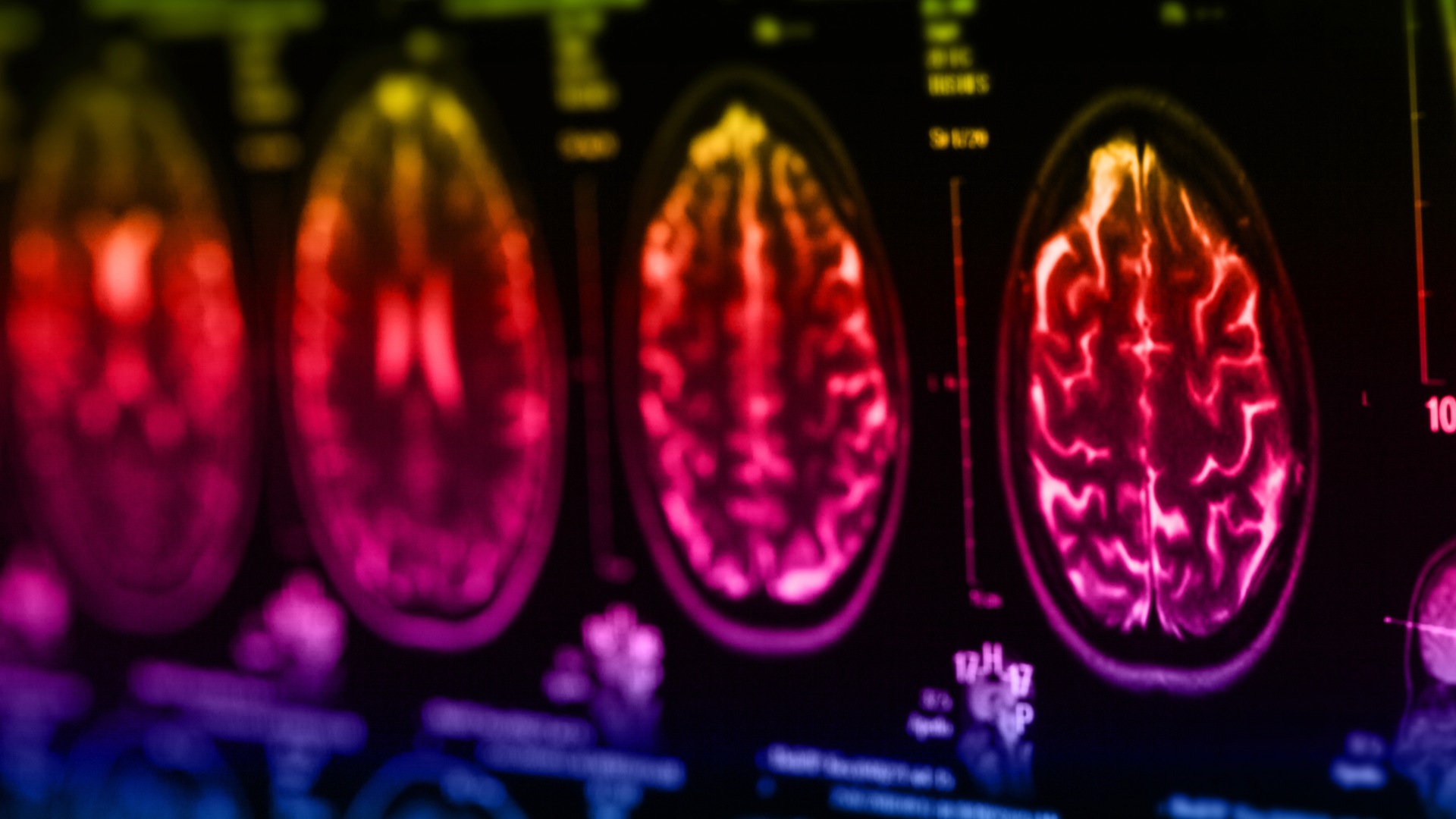
The Challenge of Brain Tumors
Brain tumors remain a serious challenge due to their complex biology, high impact on patients, and limited treatment options. They affect both children and adults, and even benign tumors can significantly disrupt brain function. Continued research is essential to improve outcomes.
Brain tumors fall into two main categories:
- Primary tumors, which originate in the brain
- Metastatic tumors, which spread from other parts of the body
Malignant tumors, such as glioblastomas, are particularly aggressive, while benign tumors, although non-cancerous, can still be life-threatening due to their impact on brain function. Diagnosing brain tumors is challenging due to symptoms overlapping with other neurological conditions. Although imaging technologies have advanced, early and precise detection remains difficult.
Treatment options include:
- Surgery
- Radiation
- Chemotherapy
However, these approaches are often limited by:
- Tumor location
- Resistance to therapy
- The need to preserve healthy brain tissue
Key Statistics
- Over 320,000 cases are diagnosed globally each year
- Glioblastoma median survival is approximately 12–15 months
The Need for Continued Research
Brain tumor research is a critical medical and humanitarian effort. Progress requires collaboration across disciplines: neuroscience, oncology, genomics, and data science. Continued scientific innovation, collaborative research, and strategic investment are key to improving survival rates and quality of life for those affected.
Ongoing research is focused on:
- Biomarker discovery for earlier and more accurate diagnosis
- Develop tumor cell targeted therapies
- Understanding molecular and genetic drivers of tumor growth.
- Create effective drug delivery systems that bypass the blood-brain barrier.
Promising Areas of Innovation
- Immunotherapy: Activating the immune system to fight tumors
- Precision medicine: Tailoring treatments to tumor genetics
- AI and machine learning: Enhancing diagnostics and treatment planning
- Minimally invasive techniques: Improving recovery and outcomes
Market Growth and Investment Trends
The brain tumor treatment market is growing steadily, driven by advances in targeted therapies, immunotherapy, and personalized medicine.
- Global market:
- $1.9B (2023) → $4.2B (2030)
- CAGR: 10.5%
- United States:
- $1.25B (2024) → $1.87B (2030)
- Growth driven in part by new FDA approvals, including a 2024 therapy for low-grade gliomas
- Europe:
- $960M (2022) → $1.9B (2030)
- Growth supported by aging populations and increased research investment
- APAC:
- $749M (2024) → $1.2B (2030)
- Expansion driven by improving healthcare infrastructure and rising disease incidence
Despite this progress, brain cancer remains an area of significant unmet need. Increased funding and continued innovation are critical to advancing treatment and improving patient outcomes.
About HiRO
HiRO has conducted more than 1,500 studies globally, with teams across APAC, ANZ, Europe, and North America. Our team of 500+ experts with deep clinical research experience. On average, team members bring 15 years of experience in clinical trial delivery.
HiRO’s oncology experience includes 402 trials, many with high enrollment and accelerated timelines.
Key capabilities include:
• 100% oncology-focused team
• Experience across Phases I–IV
• Solid tumors and hematologic malignancies
• Full-service and functional support
• Pediatric and adult populations
• Metastatic and mutation-specific studies
• Rare and orphan indications
• Drug, device, and combination products (including cell and gene therapy)
• Multiple routes of administration (oral, IV, intratumoral, intralesional, topical)
• Support for product approvals
• Global trial delivery across APAC, ANZ, Europe, LATAM, and North America
Learn more about HiRO’s oncology expertise on our Oncology page.